Maxed Out Your TFSA And RRSP? What To Do Next In A Non-Registered Account
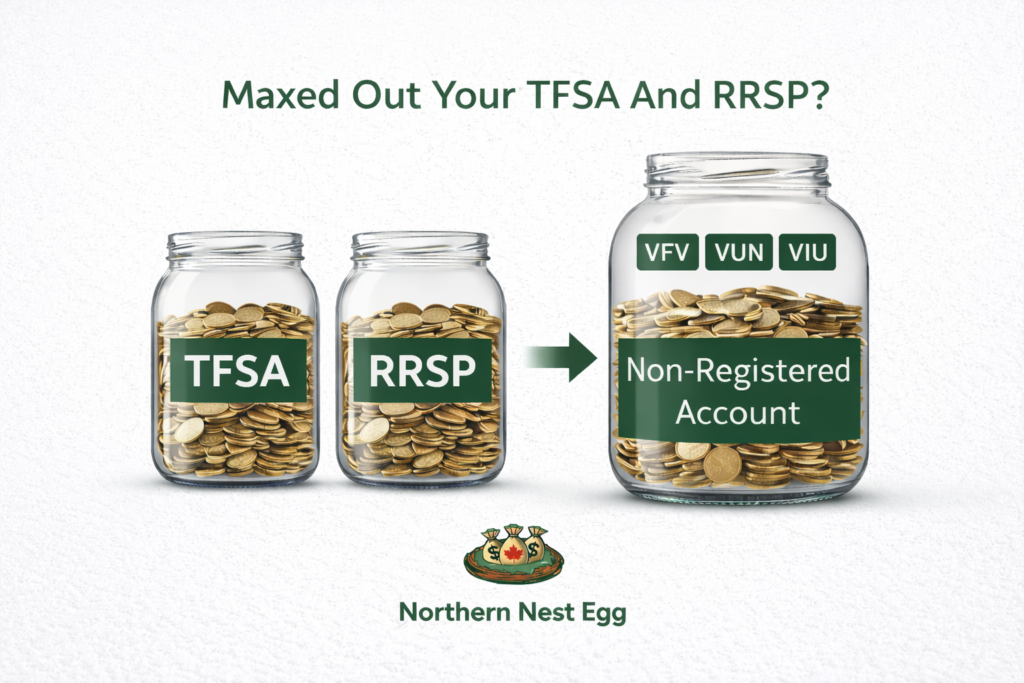
Once your TFSA and RRSP are fully funded, the next logical step is a taxable brokerage account. The strategy is not complicated—but the tax details matter.

Once your TFSA and RRSP are fully funded, the next logical step is a taxable brokerage account. The strategy is not complicated—but the tax details matter.
Came into money? Here’s how to make smart, deliberate choices instead of emotional ones.
An Excelerator Deposit Option (EDO) allows policyholders to contribute additional funds into certain permanent life insurance policies to accelerate cash value growth. But like any financial tool, it should be evaluated carefully within a broader plan.
Dollar-cost averaging (DCA) is one of the most widely used investment strategies in Canada. It reduces emotional decision-making and spreads entry risk—but does it actually outperform lump-sum investing? Here’s what the data and real-world behaviour suggest.
From emergency funds to RESPs and retirement planning, young families face competing financial priorities. Here’s how to build stability today while protecting long-term wealth.
Retirement investing should not be about maximizing income at all costs. A total-return approach—using diversified, low-cost ETFs and strategic withdrawals—often leads to more stability, better tax control and stronger long-term outcomes for Canadian retirees.
Investment fees may look small on paper—but over decades, they quietly compound against you. Here’s how cutting costs through low-fee ETFs can dramatically increase long-term wealth for Canadian investors.
Robo-advisors promise low fees, automation and simplicity. But how do they compare to managing your own low-cost ETF portfolio over the long term? Here’s a clear-eyed look at the trade-offs for Canadian investors.
Retirement planning does not require extreme savings rates or perfect timing. The Rule Of 30 offers a realistic framework for balancing housing, short-term expenses and long-term investing—while smart tax and investment decisions strengthen the outcome.